Espaço
América do Sul
Artigos (84)

Écrire l’histoire des femmes et de la photographie dans l’espace atlantique
Les femmes ont contribué à façonner l’histoire de la photographie et de ses circulations transatlantiques depuis les débuts du medium. Écrire cette histoire du point de vue des femmes invite à déplacer notre regard et nos cadres de lecture pour mettre en lumière leurs rôles de passeuses à la croisée des scènes culturelles.

De l’Europe au Brésil : Lina Bo Bardi et Marta Erps-Breuer
Nées et formées en Europe, l’architecte Lina Bo Bardi et la biologiste Marta Erps-Breuer migrent au Brésil pour rejoindre l’Université de São Paulo et le Musée d’Art de São Paulo. Elles y développent une approche pédagogique interdisciplinaire, inspirée de leurs expériences européennes.

The Creole Atlantic
How can cultural exchanges across the Atlantic be theorized outside of Gilroy’s Black Atlantic heuristic, especially when looking at cultural practices developing in Africa? The idea of a Creole Atlantic allows for including South-South connections and situating a redefined, creolized Africa at the core of the Atlantic paradigm.

Académie Julian: o modelo artístico francês em uma perspectiva transatlântica (1880-1920)
A Académie Julien foi fundada em 1867 em Montmartre, oferecendo aos alunos estudos de modelo vivo e sessões de correção semanais com artistas reputados. Em 1880, foi aberto um curso para mulheres. Em 1885, já possuía quatrocentas alunas. A Académie Julian veio a ocupar um papel relevante para a formação de artistas americanos, do Norte e do Sul.

Pelé and the World
From the late 1950s to the late 1970s, Pelé was the leading figure in football, a sport that historically developed in Europe and Latin America. He aroused enthusiasm, elicited self-identification in Africa and promoted soccer in the United States.

Rubén Darío, director de revistas hispanoamericanas en París
Poeta y diplomático nicaragüense, Rubén Darío dirigió en París las revistas Mundial y Elegancias (1911–1914), escritas en español y destinadas al público hispanoamericano. Ambas funcionaron como puentes culturales entre Europa y América y consolidaron el proyecto modernista en el campo editorial transatlántico.

La Cripta de los Héroes: Public Monuments and Hidden Agendas during Peru's Aristocratic Republic
La Cripta de los Héroes in Lima commemorates Peru’s disastrous conflict with Chile during the War of the Pacific (1879-1884). The monument’s origins reveal the interplay of nationalist aspirations and neocolonial dependencies, ultimately intertwining Peru's nation-building endeavors during the with French imperial ambitions.
Los Nuevos Cines
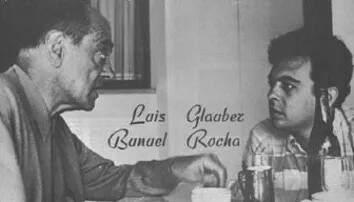
Usamos el concepto de “nuevos cines” para abordar un proceso que va desde mediados de los años cincuenta hasta mediados de los años setenta. Quizás aquello que todas tienen en común es lo que Francesco Casetti llama un “sentimiento de novedad”, una voluntad de romper con las formas tradicionales de concebir y producir el cine.

US Cultural Diplomacy
The Cold War was the heyday of state-orchestrated cultural diplomacy in the U.S., at a time when many officials and observers sought to counter widespread expressions of anti-Americanism abroad. In recent decades, the U.S. has chosen to outsource cultural influence to the private sector, and de-emphasized its importance as a policy instrument.

Educação universal: o ensino mútuo na primeira metade do século XIX
O “plano de ensino mútuo” foi um projeto educacional desenvolvido pela British and Foreign School Society e difundido mundialmente na primeira metade do século XIX. Este verbete explora os mecanismos de divulgação do método de ensino mútuo e a criação de escolas na América de Sul e na África, a partir da leitura dos relatórios da Associação.
Pan Americanism
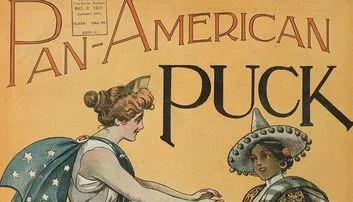
The US-led Pan American Union, created in 1890, is generally understood as a form of soft power serving Washington’s interests abroad. Until the end of WWII, it also meant educating US citizens about their new hemispheric responsibilities by promoting Latin American culture, through scientific cooperation, language teaching, art and literature.

“C’era un Ragazzo...Era un muchacho...Era um garoto...”: uma balada pop italiana e seus ecos atlânticos
“C’era un ragazzo che come me amava i Beatles e i Rolling Stones” gravada originalmente em italiano, em 1967, por Gianni Morandi, foi apropriada em vários contextos culturais e nacionais ao representar um “tipo ideal” de juventude e uma forma de protesto político moderado e humanista, contra a Guerra do Vietnã. Porém, nunca foi gravada em inglês...

Saint-Dié-des-Vosges, marraine de l’Amérique ?
C’est dans la ville lorraine de Saint-Dié-des-Vosges, en France, que le mot America fut édité pour la première fois en 1507. Après trois siècles d’oubli, ce fait est progressivement remis en lumière au cours du XIXe siècle, incitant Saint-Dié à s’autoproclamer la « marraine de l’Amérique » et à tenter de mettre en place des liens transatlantiques.

Le théâtre communautaire argentin : réseaux et circulations
Le mouvement du théâtre communautaire argentin, né dans les années 1980, est aujourd’hui une référence internationale. Cet article examine la manière dont il s’est développé, au sein de réseaux latino-américains et euro-américains, en suivant la trajectoire de deux de ses promoteurs et en explorant son implantation en Espagne.

Blanche and Alfred Knopf: Circulating Transatlantic Literature
In 1915, the Knopfs founded a publishing company focusing on translations of contemporary European literature. Later, they opened their catalogue up to Latin American writers. Their story offers a glimpse into the networks and forms of sociability that drove the transnational cultural dynamics of books.

Mathematics Education in the Nineteenth Century: Europe, North Africa and the Americas
An overview of the scholarly circulations of mathematics education between Europe (mainly France) and non-European territories (the Americas and North Africa) in the nineteenth century.

The Transatlantic Ballad of Alan Lomax
Studying vocal performance styles during his time in Europe during the 1950s, the US ethnomusicologist Alan Lomax (1915-2002) transformed his regionalist approach to folk songs into a global framework. His “Cantometrics” and “Global Jukebox” projects show how a “reverse” transatlantic experiences can produce transnational maps of song and culture.

Liberalism and the Atlantic World
Liberalism can be considered the first truly Atlantic ideology, in spite of undeniable national variations. Two moments in its history will be discussed: the birth of liberalism as a political formation, with a particular focus on Argentina, and the configuration of a new liberalism around 1900, as embodied by Jane Addams.

From Public Schools to the Pampas: Elements for an Atlantic History of Rugby
Created at around the same time as football/soccer, rugby spread out from England along the pathways of British cultural imperialism. However, it met with a cooler reception than football on both sides of the Atlantic.

The Training of Colombian Engineers in the Nineteenth Century
Various transatlantic circulations accompanied the training of Colombian engineers after the country became independent. This article describes the development of these transfers during the nineteenth century, underscores the diversity of the approaches and stakeholders involved, and highlights the emergence of a national self-confidence.

Les tournées de Sarah Bernhardt dans les Amériques
Centré sur les tournées de l’artiste Sarah Bernhardt (1844-1923) aux Amériques et spécialement au Brésil (1886-1905), cet article explore la formation des routes transnationales de circulation artistique à la fin du XIXe siècle.

L’Alliance française sur le continent américain
Tournée vers le continent américain dès son origine, l’Alliance française développa ses propres établissements dans les années 1940, en s’appuyant sur des fonctionnaires du ministère de l’Éducation nationale. Ces dernières décennies, son action a adopté une perspective plus nettement interculturelle.

L’orientalisme hispano-américain
L’orientalisme hispano-américain est une dimension de la production littéraire hispanique depuis 1810. Il est tributaire, mais aussi autonome du large corpus orientaliste européen des XIXe et XXe siècles. Dans cette production, l’Orient intègre l’Afrique musulmane, le Proche et le Moyen Orient, l’Inde et l’Asie de l’Est.

The 1972 Olympics Basketball Final between the Soviet Union and the United States
The game marked a turning point in the sport’s history on both sides of the Atlantic. Due to linguistic misunderstandings between the American players, the Soviet coaches and the Brazilian referee, the sport spoke a little less English after 1972.

Off Theater
This article traces the transatlantic movements of the idea of alternative theater from the 1940s to today.

Octavio Paz
If there is one Latin-American writer who embodies the fertility of intellectual and aesthetic exchanges between his country, Europe and other parts of the world, it is Mexico’s Octavio Paz (1914-1998), who bore witness to the 20th century’s turmoil as an engaged spectator, poet, critic, magazine founder and awakener of ideas.

Une géographie sociale et culturelle du baseball
La diffusion du baseball hors du pays qui l’a vu naître peut paraître assez déroutante: très faible dans les pays européens, elle est massive dans la zone caraïbe et une partie de l’Amérique latine.

Circulations transatlantiques de la laïcité
Alors que la laïcité est souvent présentée comme "une exception française", elle est le résultat de circulations impliquant Kant, Pestalozzi, les États-Unis, Veytaux et Neuchâtel, qui ont convergé à Paris par le biais de Ferdinand Buisson pour se re-déployer vers la Bohême/Tchécoslovaquie de Masaryk et Benes comme vers le Mexique ou la Turquie.
Hispano-Americanism
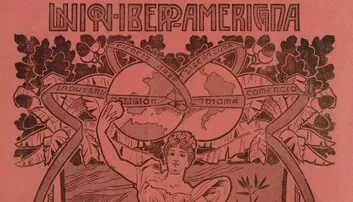
Hispano-Americanism, which emerged in the 1880s and lasted throughout the twentieth century, was a movement that spread in Spain and Latin America to strengthen ties between countries sharing Hispanic culture in the name of a shared heritage.

Les déclinaisons atlantiques du Tour de France par deux enfants
Livre de lecture par excellence de l’école laïque sous la Troisième République, Le Tour de la France par deux enfants, paru en 1877, a essaimé de part et d'autre de l'Atlantique où, partout, se croisaient les enjeux de la construction nationale et de l'alphabétisation.

Maradona: ídolo local, héroe global
Maradona es probablemente el personaje más importante de la cultura popular argentina entre finales del siglo XX y comienzos del XXI. A la vez, contemporáneo de la constitución del fútbol como mayor mercancía cultural del espectáculo global desde finales del siglo pasado, puede ser considerado la primera estrella global del espectáculo deportivo.

Música de concerto no Brasil
O modernismo musical brasileiro foi também um produto das circulações transatlânticas de obras e artistas. Além da ida de compositores brasileiros para a Europa e os Estados Unidos, a presença de músicos e intelectuais europeus participou da consolidação de um novo conceito de música erudita no Brasil.

Presse en langue étrangère
La presse en langue étrangère, publiée d'un côté comme de l'autre de l'Atlantique, a joué un rôle dynamique au cours des XIXe et XXe siècles, dans la mise en circulation de textes littéraires, d'idées, d'avancées scientifiques et techniques, de modes, de modèles éditoriaux et, même, de pratiques commerciales.
Spas
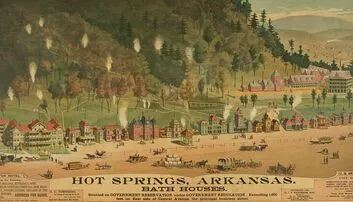
In the eighteenth century, natural mineral springs spurred the emergence of tourism and played a strategic role on both sides of the Atlantic. Practices, travelers and development models circulated and changed depending on the place. Medical advances caused trajectories to diverge in the twentieth century.

Theater of the Oppressed: Intercontinental Trajectories
From its 1950s roots in Brazil to its proliferation around the world, the history of Theatre of the Oppressed has been about artistic, political and human exchanges. This article analyzes the movements that fostered the development of a trailblazing theatrical practice in Latin America and Europe that can now be found on every continent.

Fonografia digital e circulação musical transatlântica
O artigo apresenta os principais processos envolvidos na produção e circulação da música gravada promovidos pela tecnologia digital em geral e no mundo transatlântico.

The Photo Novel: a Latin Genre
From 1947 to 1968, the long-scorned photo novel was one of Europe and Latin America’s most popular media formats. This article looks at the genre’s diversity, its outward spread from Italy and the ideological and aesthetic reasons for which it was rejected.

Instituto Cubano del Arte e Indústria Cinematográficos
ICAIC foi o primeiro organismo cultural criado em Cuba após a Revolução, em acordo com a Lei 169 de 24 de Março de 1959.

O imaginário revolucionário no cinema de Santiago Álvarez Román
Santiago Álvarez Román (1919-1998) foi um cineasta cubano, diretor dos Noticieros ICAIC, cinejornal oficial da ilha caribenha pós-revolução, que desenvolveu uma inventiva e persuasiva narrativa documentária ao registrar personagens, situações e eventos da realidade político-social nacional e internacional dos anos 1960 aos anos 1990.

Circulating West-African Photographs in the Atlantic Visualscape
In the second half of the 19th century, photographs circulated widely in a triangular region stretching between northeastern South America, Great Britain and West Africa, giving shape to a shared visualscape, where portraits of the African elite and exploration photographs often followed similar routes.
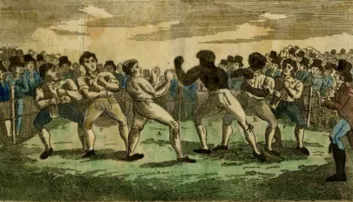
Boxing
Boxing is a major modern sport. Codified in England at the end of the eighteenth century, it became a privileged space of symbolic confrontation of races and nations, dominated by a virile image of manhood. It participated in the regulation of violence, to the detriment of other martial practices in Africa and Europe.

The Paris Opera Ballet in the Americas: Dancing Diplomacy (1948-1950)
The Atlantic area was a privileged space for the Paris Opera Ballet after the Second World War. North and South America hosted two major tours in 1948 and 1950, giving the company an opportunity to win over a new urban audience and firm up its international prestige.

Periodizing the Atlantic
A major challenge for the Transatlantic Cultures project has been creating a historical periodization that would explain not only shifting overarching systems of interchange throughout the Atlantic since the end of the 18th century, but also transformations and disruptions specific to places within this space.

Gisèle Freund: The Life of a Story-Teller with Camera, Retold
This re-appraisal of Berlin-born, French-naturalized, Jewish photographer and sociologist Gisèle Freund’s life highlights her transformative years in exile in Argentina and debunks the much-reiterated construction of her career. While her innovative slide show lectures stand out, her status as a concerned photojournalist comes into question.

Maracatus transatlânticos
Grupos típicos de Pernambuco, Brasil, os maracatus expressam através de música, dança e rituais, antigas conexões com a África e os reis negros do período escravista. No século XX, os maracatus passaram a se apresentar no carnaval de Recife e Olinda, e no século XXI vêm se difundindo, como prática de músicos amadores, no Brasil e além-mar.
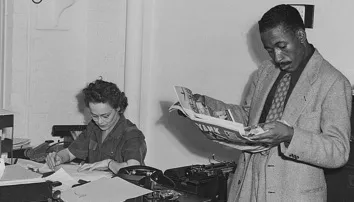
Gordon Parks
Cet article s'intéresse aux tensions générées par la position de Gordon Parks (1912-2006) : un photographe noir employé par des institutions médiatiques blanches nord-américaines en Europe et en Amérique Latine dans les années 1950 et 1960.

Artistic Education and Artist Training
The Atlantic is the setting for many exchanges in the education of artists, especially painters. Since the colonial period mentors and teachers, art students, journals, books, and textbooks have been exchanged, principally between Europe on one side and the Americas and Africa on the other.

William Faulkner, écrivain baroque de la Méditerranée américaine
Faulkner est au carrefour de plusieurs histoires littéraires mais est aussi l'inspirateur de nombreux écrivains du monde atlantique, au point d'incarner un âge baroque américain. Il a aussi été amené à jouer un rôle dans la diplomatie culturelle des Etats-Unis
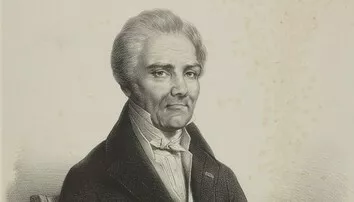
Aimé Bonpland
Le parcours d’Aimé Bonpland met en relief les interactions et les attractions scientifiques, politiques et culturelles entre la France et l’Amérique du Sud. Explorateur de l’Amérique latine avec Alexander von Humboldt puis patriote et partisan des indépendances latinoaméricaines, son expérience témoigne de l’émergence du latino-américanisme.

Amália Rodrigues em África
Amália Rodrigues (1920-1999) foi responsável pela popularização do fado em seu país e nas colônias portuguesas. O artigo discute as relações da cantora com a ditadura salazarista e os complexos significados da apropriação de sua música no mundo colonial.

Bossa Nova & Latin Jazz
Nascida no Brasil como um grande marco para a música popular, conforme sua circulação pelo mundo, a Bossa Nova adquiriu elementos estéticos da tradição musical internacional, além de projetar uma imagem da cultura brasileira para o exterior, se expandindo para além do cenário interno do país, principalmente, a partir da década de 60.

Cinema doméstico e filmes de viagem: imagens entre o Brasil e a Europa (1920-1930)
Em 1922, a empresa Pathé-Frères lançou no mercado francês o projetor Pathé-Baby, um pequeno aparelho que funcionava à manivela e que rodava pequenos rolos de filmes no formato 9.5mm. O consumidor interessado podia comprar ou alugar filmes listados na filmoteca Pathé.

Histórias em quadrinhos em jornais, revistas e livros : um panorama transatlântico
Um panorama sobre a história das histórias em quadrinhos em perspectiva transatlântica, com foco nas formas de publicação, circulação e apropriação cultural dos quadrinhos e suas implicações políticas. O verbete segue uma narrativa que vai das tiras cômicas às revistas em quadrinhos, quadrinhos underground e novelas gráficas contemporâneas.
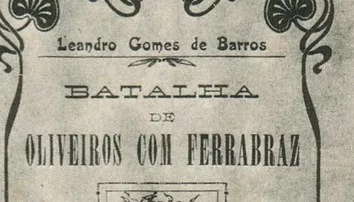
Cordel
O texto apresenta a literatura de cordel como parte de um conjunto mais amplo de impressos de larga circulação produzidos em diversos países, entre os séculos XV e XX. Examina, particularmente, os casos do Brasil, Portugal, Chile e Espanha, face às temáticas, formas de construção do texto, materialidade, autores, editores e leitores.

Cycling Across the Atlantic: A discussion of cycling culture in the Atlantic Region
Cycling has gone through standardization and modernization processes that have functionally brought together a broad set of cultures and practices around the bicycle. What this article will demonstrate is that the interaction of Atlantic nations, people, and institutions has been central for the advancement of the sport of cycling globally.

El mundo impreso en las Exposiciones Universales
Una mirada a las razones la presencia de libros e impresos en las exposiciones universales. Se destacan tanto la evolución de su presencia como la diversidad de sus expositores y objetivos, que abarcaron desde apuestas comerciales, hasta debates sobre la producción de saberes por parte de países no industriales y grupos sociales marginados.

Franklin Book Programs: Guerra fria e imperialismo cultural norte-americano
O Franklin Book Programs foi um programa não governamental norte-americano dedicado à promoção do mercado editorial e ao incentivo às práticas de leitura durante a Guerra Fria. De formas diferentes, mirou a África e a América Latina.

Gilberto Freyre e a geopolítica da raça: a circulação transatlântica de Casa-Grande & Senzala
Como Casa-Grande & Senzala, principal obra de Gilberto Freyre, navegou por diferentes cenários e interagiu com expectativas, anseios e dilemas da geopolítica e da cultura internacionais? Este texto analisa a recepção de Casa-grande & senzala nos dois lados do Atlântico: dos EUA à França, bem como Portugal, Guiné e Cabo-Verde.
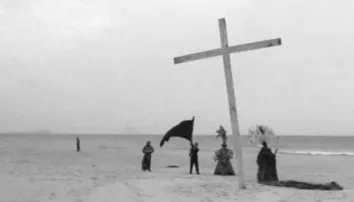
Glauber Rocha
A dimensão transatlântica do projeto estético do cineasta brasileiro Glauber Rocha será discutida a partir de três aspectos: 1) Sua experiência biográfica; 2) O universo dramatúrgico e narrativo de seus filmes; 3) Os esquemas iconográficos do seu cinema.

La diplomacia cultural de México en el Siglo XX
La diplomacia cultural fue un componente importante en la política exterior de México a lo largo del Siglo XX. Se ejerció principalmente a través de la nominación de intelectuales como diplomáticos, la participación del país en ferias internacionales, su influencia en la UNESCO y el componente cultural del Tratado de Libre Comercio (TLCAN).

The Rockefeller Foundation and the International Funding of Science (1920s-1950s)
The history of the Rockefeller Foundation’s international science policy highlights the pivotal role American philanthropic organizations played in the knowledge-building process during the 20th century.

Yiddish: Language, Culture and Memory from the late 19th century to the present
From the late 19th century, the Yiddish language and culture had an intensely transatlantic moment made possible by the rich cultural circulation between the original home of the lingua franca of Central and Eastern European Jews and Western Eu-rope, the Americas and other parts of the world.

Transatlantic Authors in European Publishing after 1945
This article on the circulation of books in the transatlantic space starts with a historically datable observation: the lopsided exchanges between European countries and their colonies in the 19th century. When Europe discovered the richness of African and Latin American literatures, the balance became more equal, especially after 1945.

Les Sociétés françaises de Géographie : savoirs et explorations atlantiques (1821-1923)
Les Sociétés de Géographie et autres Geographical Societies cherchèrent à faire partager à un public éclairé le goût d'une géographie signifiante qui relevait surtout de l’exploration. Elles ont pour tâche de subventionner les voyages, d’aider tout type d’explorateurs et de décerner prix et médailles.

Missions pédagogiques et circulation des idées pédagogiques dans l’espace transatlantique au XIXe siècle
Au XIXe siècle, les missions pédagogiques constituent l’un des vecteurs majeurs de la circulation des idées et des modèles éducatifs dans l’espace transatlantique. Mobilisant des experts et des réformateurs, elles alimentent ainsi les débats qui accompagnent la construction des systèmes scolaires aux États-Unis, en Europe et en Amérique latine.
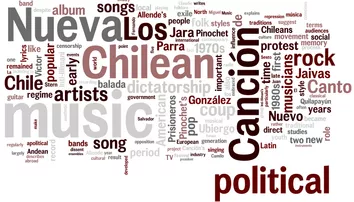
Nueva Canción
Nos anos 1940s e 1950s, as artes latino-americanas se tornaram um campo de batalha e o folclore foi entendido um lugar de resistência à dominação imperialista. A Nova Canção nasceu nesse ambiente.

O cinema nas exposições universais: práticas históricas e culturais
O artigo se ocupa das práticas históricas e culturais que envolvem o cinema no espaço transatlântico, tendo como foco as exposições universais e, em particular, a Exposição Internacional do Centenário da Independência do Brasil, ocorrida em 1922 e 1923 na cidade do Rio de Janeiro.

Orson Welles, Citizen of the World
Orson Welles was born in 1915 in Kenosha, Wisconsin, but he often told interviewers that he was “conceived” in either Paris or Rio. This essay examines the different aspect of his career, in the USA, Latin America and Europe, focusing on transatlantic and Pan American exchanges.

Paulin Soumanou Vieyra
Paulin Soumanou Vieyra (1925-1987) nasceu em Porto Novo (Benin). Estudou no Institut des hautes études cinématographiques (IDHEC) em Paris. Sua biografia e cinematografia revelam a trajetória de um cineasta da diáspora africana inspirado pelo movimento da Negritude e cujos filmes integram o patrimônio cultural do Atlântico negro.

Revista Cine Cubano
A revista Cine Cubano, criada em 1960, promoveu por mais de quatro décadas a circulação de notícias e resenhas sobre o cinema latino-americano e sua difusão no mundo todo. Registrou produções e visitas de cineastas a Cuba, festivais internacionais e importantes debates envolvendo filmes, realizadores e o papel do cinema na sociedade contemporânea.
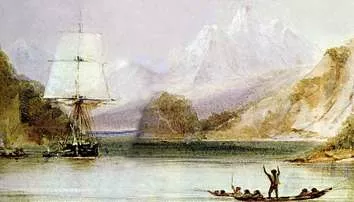
Robert FitzRoy
Robert FitzRoy foi o comandante britânico responsável pelo HMS Beagle nas expedições empreendidas nas décadas de 1820 e 1830. O relato de suas viagens, publicado em 1839, estabeleceu comparações entre a colonização católica ibérica na América do Sul e os projetos para a expansão imperial britânica.
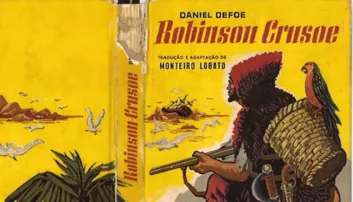
Robinson Crusoé
Em 1719, o romance de Daniel Defoe, Vida e Aventuras de Robinson Crusoe, teve inúmeras edições e se transformou em grande sucesso editorial. A trama e a circulação do livro são um extraordinário exemplo da dimensão transatlântica do texto.

Transatlantic Operatic Networks during the Nineteenth Century
This article explores operatic networks in the nineteenth century, with a focus on mobility between the Americas, Europe, and the Caribbean. After a brief introduction to the history of opera in these places, it goes on to consider themes of infrastructure and agency, as well as methodological questions relating to the study of these networks.

United States Information Agency
En 1953, la guerre froide pousse le président Eisenhower à créer une agence indépendante du Département d’État, l’USIA (United States Information Agency), qui orchestre les stratégies d’influence des États-Unis jusqu’en 1999. Des pratiques de cette agence naît le concept de diplomatie publique, théorisé par Edmund Gullion en 1965.

Viajantes franceses no mundo atlântico do século XIX - no Brasil e na África
Nas experiências de viagem abordadas podemos ver como os franceses estão presentes no mundo atlântico no século XIX e como procuram adaptar-se às grandes mudanças históricas desse período.
Literary Agents
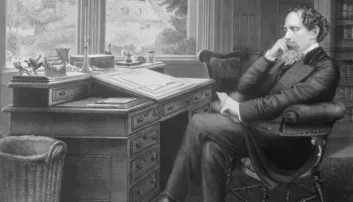
Over the course of the 20th century, literary agents have maintained an important role in the transatlantic circulation of texts. As both economic and cultural negotiators, these men and women are at the heart of the transnational cultural history of printed material.

Marcus Garvey
Marcus Mosiah Garvey (1887-1940) is a major figure of Black nationalism and Pan Africanism. An indefatigable orator, world traveler and skilled organizer, he was also a charismatic, controversial personality who founded the largest Black organization in history, the Universal Negro Improvement Association (UNIA).
Gilberto Gil
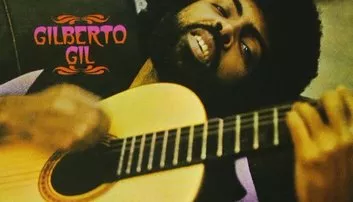
“Eu soube que a música era minha linguagem, mesmo. Que a música ia me levar a conhecer o mundo”. Do movimento pop Tropicália às colaborações com Jimmy Cliff, o compositor, violonista, e cantor brasileiro, se afirmou como um mediador cultural de primeira grandeza. A sua trajetória abraça a diversidade dos gêneros musicais do espaço atlântico.

Os editores Garnier: da França ao espaço transatlântico
As Livrarias-Editoras Garnier e seus negócios estiveram entre as primeiras empresas internacionais especializadas em livros e que atuaram durante grande parte dos séculos XIX e XX, ocupando espaços nacionais europeus e americanos. O exemplo indica como a empresa pôde, complementarmente, participar da emergência das literaturas nacionais.

The Book of Knowledge entre o "Velho" e o "Novo" Mundo: história de uma enciclopédia.
The Children’s Encyclopaedia, criada por Arthur Mee na Inglaterra, no início do século XX, foi transformada pelo editor W. M. Jackson no "livro de conhecimentos" para as crianças e homens do povo das Américas.

Luigi Nono: Revolutionary Experiences and American Networks
During his travels in Latin America and the United States, the composer and Communist activist Luigi Nono forged intense ties with artistic, intellectual, and political circles, reflecting the ideological issues of the Cold War and contributing to the circulation of aesthetic and technical innovations.

Susan Sontag: uma intelectual pública
Judia, Susan Sontag nasceu em New York, estudou literatura, filosofia e teologia em renomadas universidades, como as universidades de Berkeley, Chicago e Sorbonne. Como escritora e ativista, abalou circuitos culturais e políticos de sua época com sua crítica.

Henri Barbusse : pacifismo e antifacismo nas Américas
Um dos primeiros “romances de guerra” a ser publicado no século XX, o livro Le Feu popularizou Henri Barbusse internacionalmente. A repercussão da obra como um manifesto sobre a banalidade da guerra e a defesa do pacifismo projetou Barbusse como intelectual comprometido com as questões de seu tempo.

Freud and Latin America: An Early Relationship
Throughout the 20th century, psychoanalysis has generated a “culture”, vastly overflowing its original scope. This article explores the condition existing, both in psychoalysis as a system of thought and beliefs and in the receiving cultures, related to the lasting relationship between the ideas inspired in Freud and some Latin American cities.