Período
Revoluções atlânticas e colonialismo
Artigos (26)

The Creole Atlantic
How can cultural exchanges across the Atlantic be theorized outside of Gilroy’s Black Atlantic heuristic, especially when looking at cultural practices developing in Africa? The idea of a Creole Atlantic allows for including South-South connections and situating a redefined, creolized Africa at the core of the Atlantic paradigm.

Educação universal: o ensino mútuo na primeira metade do século XIX
O “plano de ensino mútuo” foi um projeto educacional desenvolvido pela British and Foreign School Society e difundido mundialmente na primeira metade do século XIX. Este verbete explora os mecanismos de divulgação do método de ensino mútuo e a criação de escolas na América de Sul e na África, a partir da leitura dos relatórios da Associação.

Saint-Dié-des-Vosges, marraine de l’Amérique ?
C’est dans la ville lorraine de Saint-Dié-des-Vosges, en France, que le mot America fut édité pour la première fois en 1507. Après trois siècles d’oubli, ce fait est progressivement remis en lumière au cours du XIXe siècle, incitant Saint-Dié à s’autoproclamer la « marraine de l’Amérique » et à tenter de mettre en place des liens transatlantiques.

Mathematics Education in the Nineteenth Century: Europe, North Africa and the Americas
An overview of the scholarly circulations of mathematics education between Europe (mainly France) and non-European territories (the Americas and North Africa) in the nineteenth century.

Transatlântico
Mesmo em um cenário historiográfico dominado por olhares globais, o interesse no Atlântico persiste – talvez porque disputas do presente sigam ressignificando travessias oceânicas passadas

Liberalism and the Atlantic World
Liberalism can be considered the first truly Atlantic ideology, in spite of undeniable national variations. Two moments in its history will be discussed: the birth of liberalism as a political formation, with a particular focus on Argentina, and the configuration of a new liberalism around 1900, as embodied by Jane Addams.

The Training of Colombian Engineers in the Nineteenth Century
Various transatlantic circulations accompanied the training of Colombian engineers after the country became independent. This article describes the development of these transfers during the nineteenth century, underscores the diversity of the approaches and stakeholders involved, and highlights the emergence of a national self-confidence.

L’orientalisme hispano-américain
L’orientalisme hispano-américain est une dimension de la production littéraire hispanique depuis 1810. Il est tributaire, mais aussi autonome du large corpus orientaliste européen des XIXe et XXe siècles. Dans cette production, l’Orient intègre l’Afrique musulmane, le Proche et le Moyen Orient, l’Inde et l’Asie de l’Est.
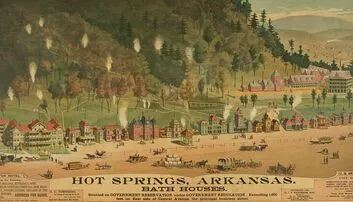
Spas
In the eighteenth century, natural mineral springs spurred the emergence of tourism and played a strategic role on both sides of the Atlantic. Practices, travelers and development models circulated and changed depending on the place. Medical advances caused trajectories to diverge in the twentieth century.
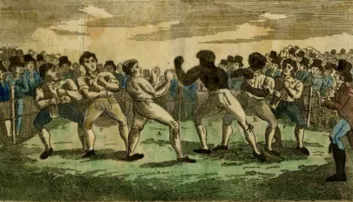
Boxing
Boxing is a major modern sport. Codified in England at the end of the eighteenth century, it became a privileged space of symbolic confrontation of races and nations, dominated by a virile image of manhood. It participated in the regulation of violence, to the detriment of other martial practices in Africa and Europe.

Periodizing the Atlantic
A major challenge for the Transatlantic Cultures project has been creating a historical periodization that would explain not only shifting overarching systems of interchange throughout the Atlantic since the end of the 18th century, but also transformations and disruptions specific to places within this space.

Maracatus transatlânticos
Grupos típicos de Pernambuco, Brasil, os maracatus expressam através de música, dança e rituais, antigas conexões com a África e os reis negros do período escravista. No século XX, os maracatus passaram a se apresentar no carnaval de Recife e Olinda, e no século XXI vêm se difundindo, como prática de músicos amadores, no Brasil e além-mar.

Artistic Education and Artist Training
The Atlantic is the setting for many exchanges in the education of artists, especially painters. Since the colonial period mentors and teachers, art students, journals, books, and textbooks have been exchanged, principally between Europe on one side and the Americas and Africa on the other.
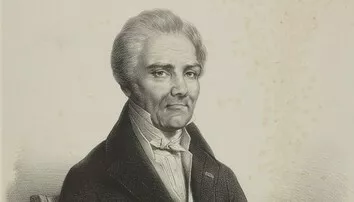
Aimé Bonpland
Le parcours d’Aimé Bonpland met en relief les interactions et les attractions scientifiques, politiques et culturelles entre la France et l’Amérique du Sud. Explorateur de l’Amérique latine avec Alexander von Humboldt puis patriote et partisan des indépendances latinoaméricaines, son expérience témoigne de l’émergence du latino-américanisme.
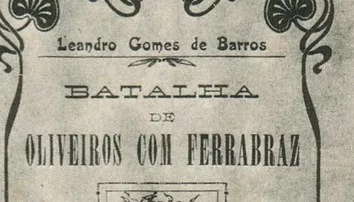
Cordel
O texto apresenta a literatura de cordel como parte de um conjunto mais amplo de impressos de larga circulação produzidos em diversos países, entre os séculos XV e XX. Examina, particularmente, os casos do Brasil, Portugal, Chile e Espanha, face às temáticas, formas de construção do texto, materialidade, autores, editores e leitores.

Atlantico Sul
O Atlântico Sul é um espaço de circulação abordado em três períodos distintos. O primeiro se inicia quando o almirante português Álvares Cabral toca a costa sul-americana. Esse período se encerra com o fim do tráfico bilateral de escravos entre o Brasil e a África (1850). As independências das nações africanas iniciam um terceiro período.

Les Sociétés françaises de Géographie : savoirs et explorations atlantiques (1821-1923)
Les Sociétés de Géographie et autres Geographical Societies cherchèrent à faire partager à un public éclairé le goût d'une géographie signifiante qui relevait surtout de l’exploration. Elles ont pour tâche de subventionner les voyages, d’aider tout type d’explorateurs et de décerner prix et médailles.

New Harmony : Owen et Pestalozzi aux États-Unis
La colonie de New Harmony (États-Unis) fut, dans les années 1820, le théâtre d’une expérience sociale de courte durée dans laquelle se fondèrent les propositions éducatives de deux pédagogues européens : Robert Owen et Johann Heinrich Pestalozzi (par l’intermédiaire de disciples).
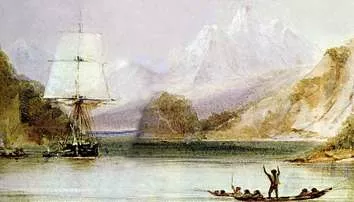
Robert FitzRoy
Robert FitzRoy foi o comandante britânico responsável pelo HMS Beagle nas expedições empreendidas nas décadas de 1820 e 1830. O relato de suas viagens, publicado em 1839, estabeleceu comparações entre a colonização católica ibérica na América do Sul e os projetos para a expansão imperial britânica.
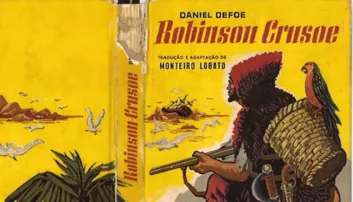
Robinson Crusoé
Em 1719, o romance de Daniel Defoe, Vida e Aventuras de Robinson Crusoe, teve inúmeras edições e se transformou em grande sucesso editorial. A trama e a circulação do livro são um extraordinário exemplo da dimensão transatlântica do texto.

Cartografias transatlânticas da música popular nas américas
A música popular é frequentemente analisada a partir de “gêneros musicais” nacionais. A historiografia da música, já há algum tempo, vem problematizando esta abordagem pautada pelo recorte nacional. Nesta linha, propomos uma cartografia, centrada nas trocas musicais entrecruzadas entre Europa, Américas e África.

Transatlantic Operatic Networks during the Nineteenth Century
This article explores operatic networks in the nineteenth century, with a focus on mobility between the Americas, Europe, and the Caribbean. After a brief introduction to the history of opera in these places, it goes on to consider themes of infrastructure and agency, as well as methodological questions relating to the study of these networks.

Viajantes franceses no mundo atlântico do século XIX - no Brasil e na África
Nas experiências de viagem abordadas podemos ver como os franceses estão presentes no mundo atlântico no século XIX e como procuram adaptar-se às grandes mudanças históricas desse período.
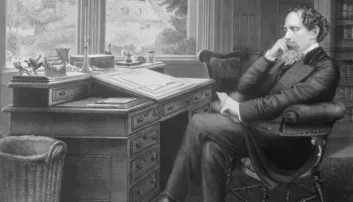
Literary Agents
Over the course of the 20th century, literary agents have maintained an important role in the transatlantic circulation of texts. As both economic and cultural negotiators, these men and women are at the heart of the transnational cultural history of printed material.
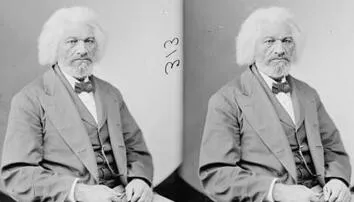
Frederick Douglass
Frederick Douglass’s life stood at the crossroads of the national and transatlantic connections that influenced his life and he helped create. Born with slave status in Talbot County, Maryland around 1818, he was later involved in many reform movements with international ties and participated in the circulation of ideas across the Atlantic.

Viagens científicas da Marinha dos Estados Unidos (U. S. Navy) no século XIX
Os intercâmbios científicos tornaram-se centrais no século XIX e indispensáveis para os processos de globalização e para a redução das distâncias. As viagens da US Navy fizeram parte dessa empresa.